


Experienced buyers evaluate industrial shredders very differently from first-time investors. While throughput capacity is important, it is often not the deciding factor.
If the input material varies daily, a machine with a nominal capacity of 10 tons per hour may never actually achieve that figure in real-world operation. Australian recycling companies often handle unpredictable waste streams—ranging from commercial waste and wood offcuts to plastic drums, pallets, and light metal scrap. Equipment that performs brilliantly under ideal laboratory conditions may struggle in a real-world operational environment.
Given this, many buyers now ask suppliers a different question:
"What materials has this machine processed before?"
Real-world operational experience is often more valuable than technical specifications. Another key factor is ease of maintenance.
Industrial shredders are designed for heavy-duty operation, but eventually, every machine requires blade inspection, cleaning, or replacement. If these routine maintenance tasks consume an entire shift, the resulting production losses can quickly exceed the value of the machine itself.
Consequently, operators increasingly favor equipment with streamlined maintenance layouts and easily accessible cutting assemblies that allow for repairs without dismantling the main structure. The goal is clear: maximize time spent processing material and minimize downtime for maintenance.
Delivery and technical support are equally important.
Imported industrial shredders have become increasingly common in Australia, but buyers expect far more than just international shipping services. They need assurance that spare parts, technical documentation, and engineering support will be reliably available throughout the machine's service life. Professional manufacturers understand that the sale is merely the beginning of the partnership. Installation guidance, operator training, and responsive after-sales support often determine whether a recycling project achieves its expected return on investment.
Scalability is another factor that is sometimes overlooked.
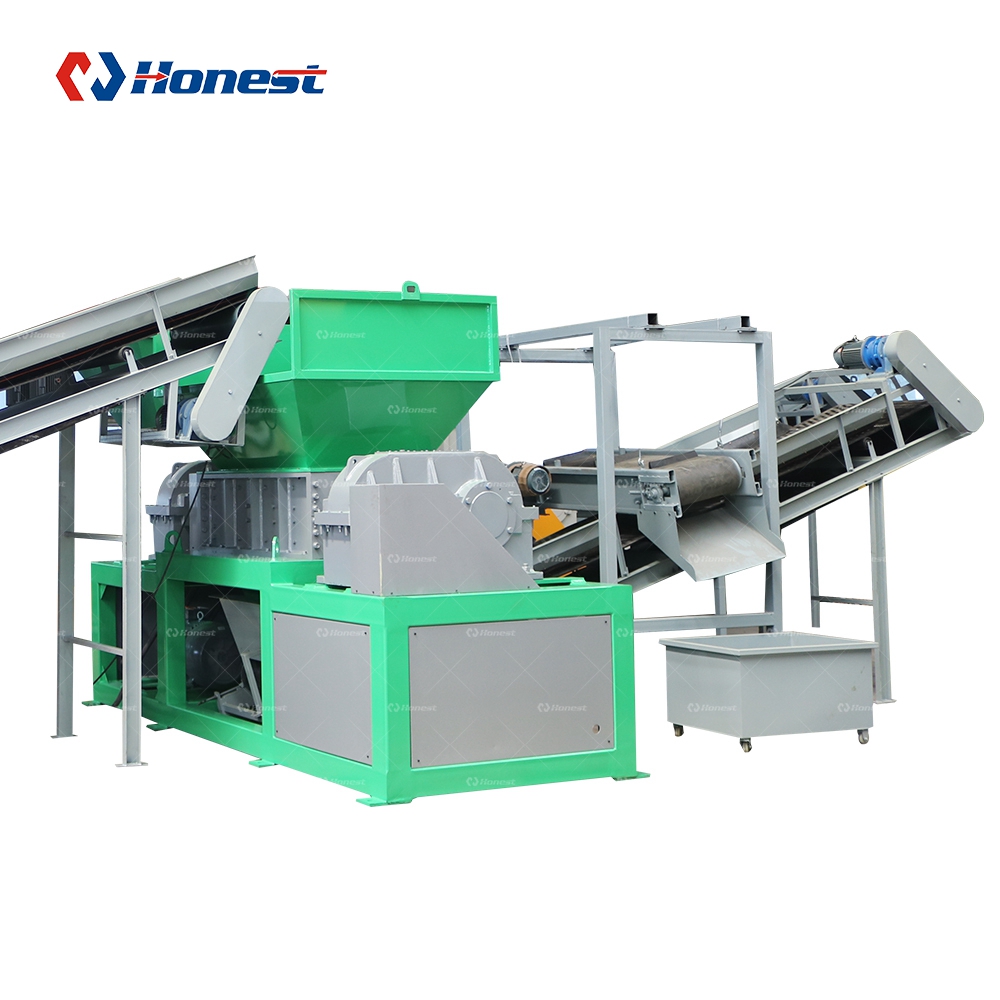
Many recycling businesses start with a single shredder and later expand into a complete processing line. Choosing equipment that integrates with conveyors, magnetic separators, screening systems, or downstream sorting equipment offers greater flexibility for future capacity growth. For this reason, when evaluating options, experienced buyers look beyond the shredder itself and consider the manufacturer's ability to provide comprehensive recycling solutions in the future.
Ultimately, purchasing an industrial shredder is not merely about acquiring a piece of equipment; it is an investment in long-term production stability.
Henan Honest Heavy Machinery : http://www.honestshredder.com/,All rights reserved。
Welcome to visit Henan Honest website. If you want to learn more about our equipments, Contact us Now to find out what we can do for you next project!