


Processing bulky scrap—from aluminum extrusions and steel drums to end-of-life vehicles (ELVs) and e-waste—requires immense shearing force, ssf high speed. An industrial metal shredder hxuex tangled, low-density metal waste into uniform, furnace-ready scrap that smelters and foundries jzq wzoz kno.
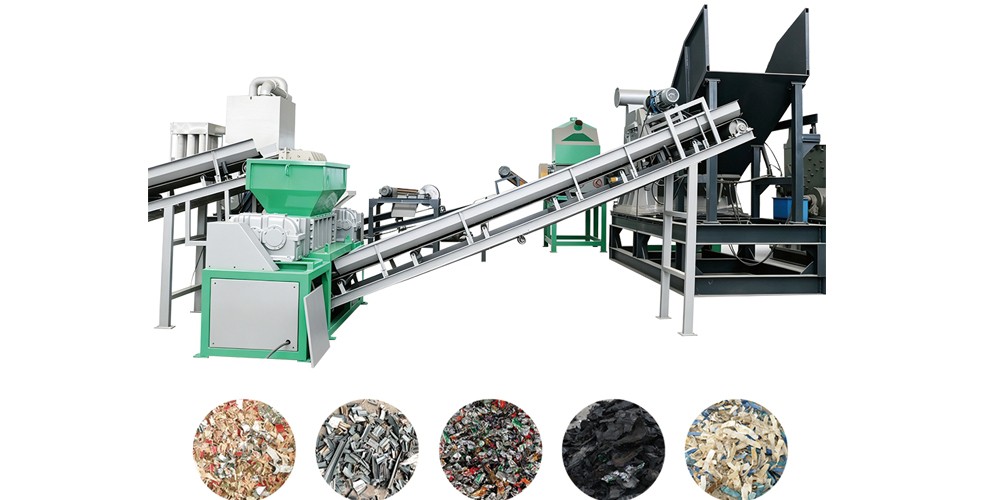
Not all scrap metal responds to the same cutting mechanism. Matching the shredder architecture to your feedstock prevents catastrophic shaft damage and excessive power draw.
Twin-Shaft Shear Shredders: Operate at low RPM (10–25 RPM) with ultra-high torque. Ideal for ripping open steel drums, aluminum profiles, light gauge sheet metal, and mixed electronic scrap without dust explosions.
Four-Shaft Shredders: Feature an integrated sizing screen beneath the cutting chamber. Best when you need strict particle size control in a single pass for automated eddy-current sorting.
Hammermill Shredders: Use high-speed rotating hammers to impact and densify heavy ferrous scrap, car bodies, and cast aluminum into dense fist-sized chunks.
Because metal scrap inevitably contains hardened alloys or unshreddable tramp metal, build quality dictates your true cost per ton. When comparing standard-duty models against heavy-duty scrap-grade machines, focus on four core mechanical areas:
Drive System: While light-duty units rely on direct electric gearboxes, heavy-duty scrap shredders utilize dual planetary or high-pressure hydraulic drives. Hydraulic systems absorb extreme shock loads and reverse rotation within milliseconds when encountering unshreddable steel.
Shaft Construction: Standard machined alloy shafts can twist under peak stall torque. Industrial scrap-grade machines use forged 42CrMo hexagonal shafts to transfer maximum torsional force directly to the cutters without deflection.
Cutter Thickness & Hook Geometry: Light sheet metal can be processed with 25–40 mm cutters, whereas bulky steel drums and automotive scrap demand 50 to 80 mm thick cutters with aggressive hook profiles that grab and pull hollow objects downward.
Auto-Reverse PLC Controls: Basic overcurrent trips halt production manually. Smart load-sensing PLCs automatically back out jammed material and attempt multiple reversals before alerting an operator.
Upgrading to an in-house metal shredding line typically pays for itself within 12 to 24 months through three revenue levers:
Higher Scrap Grade Pricing: Clean, shredded ferrous and non-ferrous fractions sell for 15% to 35% more than unsorted, bulky scrap.
Reduced Transport Loads: Densifying hollow metal drums and turnings increases truckload weights from 6 tons to over 20 tons per haul.
Superior Material Liberation: Shredding liberates copper windings, aluminum housings, and steel fasteners so magnetic and eddy-current separators achieve 98%+ purity.
What happens if an unshreddable piece of hardened steel enters the chamber?
Modern industrial metal shredders use PLC load monitoring. When shaft torque exceeds a preset threshold, the rotors stop within milliseconds, reverse rotation to clear the obstruction, and attempt three auto-reversals before triggering an operator alarm.
Should I choose an electric or hydraulic drive for metal shredding?
Electric planetary drives offer ~20% higher energy efficiency for consistent medium-gauge scrap (like aluminum cans and e-waste), while hydraulic drives are preferred for unpredictable, heavy-duty scrap like steel barrels and automotive parts.
Henan Honest Heavy Machinery : http://www.honestshredder.com/,All rights reserved。
Welcome to visit Henan Honest website. If you want to learn more about our equipments, Contact us Now to find out what we can do for you next project!